

A good photo mode can turn a game from something you play into somewhere you keep visiting. The best examples give you more than a camera: they hand you a tiny studio, a cast worth framing and enough filters, poses and lighting controls to make “just one screenshot” a dangerous promise.
That is why Stellar Blade and NTE: Neverness to Everness belong in the conversation, but they are far from alone. Here are 10 games that understand the joy of stopping the action to make a scene.
The games that make the camera the star
Ghost of Tsushima lets you alter wind, weather, time of day, depth of field and colour grading, turning its pause menu into a film set. Horizon Forbidden West brings the same photographer’s eye to machine silhouettes, underwater ruins and huge skies. Marvel’s Spider-Man 2 makes movement part of the composition, while Death Stranding Director’s Cut rewards lonely landscapes and odd silhouettes.
When characters do the posing
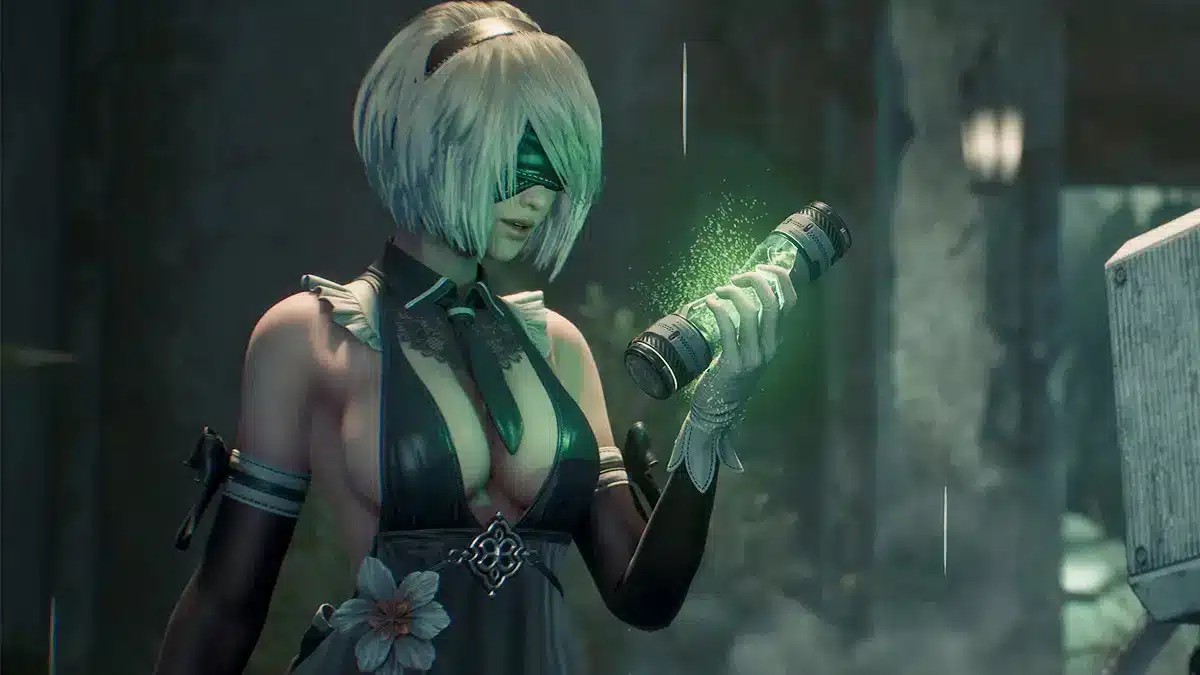
NTE: Neverness to Everness supports selfies, drone shots, poses, expressions, filters, frames and group photos, while its neon city supplies glowing backdrops. It is less “pause the combat” and more “direct the next cover shoot”. Stellar Blade understands the power of a strong pose and a striking outfit, while Final Fantasy VII Rebirth makes party portraits feel like souvenirs from a very expensive holiday.

Like a Dragon: Infinite Wealth goes wonderfully silly, while Persona 5 Royal makes even a simple character shot feel designed.
The quiet champions
The Last of Us Part II proves a photo mode does not need bright colours. Red Dead Redemption 2 is the patient grandmaster: dusty towns, changing skies and characters ready for a western postcard.

The common thread is authorship. A memorable photo mode lets you choose the mood, move the people, reshape the light and decide what deserves the frame. Once a game gives you that much control, the story does not stop when the mission ends—it starts posing.
About the author


The conversation
Be the first to join the conversation.