

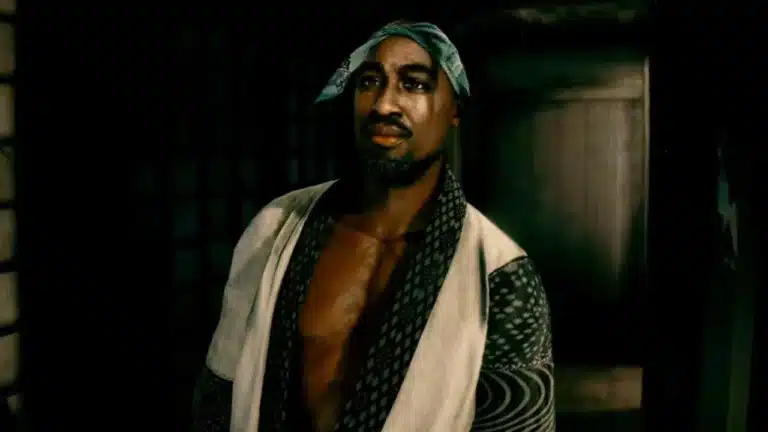
OnlyHands is pitching a fighting game where a rapper is not a guest skin, a soundtrack slot or a premium bundle that vanishes next Tuesday. The artist is the character, and the character is supposed to keep changing.
That is a far more interesting promise than “celebrity fighting game,” even if the ghosts of licensed brawlers past are already pacing ringside. Nothing Projects Interactive used New York Comic Con to present Metro Boomin as executive producer and the first season’s Cover Artist, alongside a roster reveal, gameplay and new music. The question is whether the studio can make a durable competitive game before the marketing machine starts demanding a shop window.
An artist identity should change how a fighter plays
The official OnlyHands premiere page describes real artists becoming original playable characters, each with a distinct identity, fighting style and evolving story. That wording matters because celebrity resemblance alone has a short shelf life. A strong fighter needs readable movement, a useful silhouette, strengths worth mastering and weaknesses an opponent can exploit.
In a detailed CXM interview, the developers discussed three broad combat classes—Striker, Aerial and Tank—and a momentum-driven structure where those archetypes deal equal damage. That is an encouraging foundation. Metro Boomin’s role can shape sound, attitude and presentation, but a match still has to be understandable with the music muted.

The official early-access pitch says “skill, not spend,” promises no pay-to-win advantages and lists more than 20 fighters. Those commitments are easy to print and hard to protect. The studio will need clean hit reactions, reliable online play and a balance cadence that treats famous collaborators like roster members, not clients who must always look unbeatable.
The live platform idea is the real gamble
Nothing Projects talks about characters evolving alongside album cycles, with cosmetics, merchandise and story changes tied to an artist’s career. That model turns a roster into a living record of music culture. Metro could enter one season with a noir producer persona, then return with a new look and move set reflecting the sound of his next project.
It also creates obvious pressure. When every rollout needs an event, the game risks becoming a parade of campaigns rather than a place people actually enjoy fighting. POPTOPIC’s look at True Damage’s seven-year absence showed why restraint can give virtual music history weight. A platform like OnlyHands needs quiet periods too. Players should have time to form rivalries and attach meaning to old costumes before the next collaboration replaces them.

The temptation to monetise identity is especially strong when artist fandom already treats clothing, vinyl variants and tour exclusives as collectibles. POPTOPIC recently praised Pitbull’s PITCOIN for functioning as part of a music project rather than a speculative toll booth. OnlyHands needs the same clarity: cosmetics can celebrate a performer, but access to viable tactics cannot depend on spending.
Metro Boomin is a useful test case
Metro is a producer, which makes him a smarter first emblem for the project than a rapper chosen purely for combat-ready swagger. His public identity is built around arranging other voices, controlling pace and creating menace through space. Those qualities translate naturally into game direction. He can help establish how music reacts to a match and how each artist’s sound becomes a mechanic rather than background decoration.
Current reporting from The Movie Blog describes real-time one-on-one combat built around spacing and timing, with mobile platforms in view for 2027. Mobile can bring the roster to the enormous audience this idea needs, but it raises the bar for touch controls, performance and fair monetisation. A famous face cannot make a dropped input feel charming.
The concept arrives while games increasingly treat musicians as cross-media worlds. Riot builds groups around champions; Rockstar turns soundtrack culture into promotion, as POPTOPIC found while documenting GTA VI’s real Spotify campaign. OnlyHands reverses the flow. Music is not entering somebody else’s universe. The artists are meant to own the stage.
If the punches feel right, that stage could grow for years. If they do not, even Metro’s best beat will sound like entrance music for a match nobody stayed to watch.
About the author





The conversation
Comments are closed.