

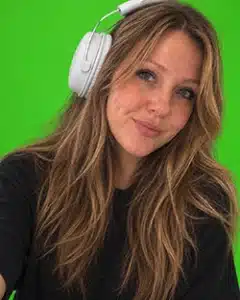
Alinity’s 2020 surgery disclosure should have been a straightforward moment of creator transparency. Instead, it became another excuse for strangers—and entertainment sites, including ours—to inspect her body, rank her appearance and turn a personal choice into a spectator sport.
The Twitch streamer, whose name is Natalia Mogollon, mentioned during a broadcast that she had previously undergone breast augmentation. She also talked casually about cosmetic procedures she might consider in the future. Those were her disclosures to make, but they did not invite readers to decide what work she “needed”.
The original version of this article crossed that line. The more useful story is how quickly coverage of women online can slide from reporting what they said to treating their bodies as public property.
The disclosure came after a Twitch suspension
The conversation followed an April 2020 stream in which Alinity accidentally exposed herself while adjusting her clothes. Twitch suspended her channel for roughly a day, and Dot Esports reported that she planned to remain offline for another two days after access returned.
At the time, arguments about the length of the suspension swallowed nearly everything else. Some viewers insisted that Alinity received special treatment; others pointed out that the incident appeared accidental and that she had publicly called for action against her own channel.
Twitch had updated its nudity and attire rules only weeks earlier, saying it wanted creators to understand what was expected and how the rules would be enforced. The platform’s April 2020 policy note is a better source for that moderation debate than freeze-frames of a wardrobe accident.
Creator transparency is not an invitation to rate a body
Alinity’s acknowledgement of cosmetic surgery was relevant because she chose to discuss it. Reporting that choice requires restraint: describe what she said, avoid pretending a casual remark is a permanent plan, and do not diagnose insecurity or deception from a person’s appearance.
That standard is especially important for streamers, whose work collapses the distance between performer and audience. A television actor can finish an interview and leave the room. A Twitch creator may spend hours answering chat while viewers clip individual sentences, compare old photos and carry arguments to other platforms.
The attention can look like intimacy, but it is still an audience relationship. A disclosure does not create an obligation to reveal medical details, justify a procedure or absorb sexual comments from thousands of strangers.
The real moderation question belongs to Twitch
Twitch’s current Community Guidelines separate adult nudity, attire, sexual content and harassment. They also explicitly reject unsolicited objectifying comments about another person’s intimate body parts. That makes the distinction unusually clear: a platform can enforce broadcasting rules without turning a creator into a target.
Our report on Indiefoxx’s eventual return after a two-year Twitch ban shows why enforcement stories need dates, outcomes and platform context. “Banned” is not always permanent, and a creator’s body is not evidence of secret influence over moderators.
The same care applies beyond one suspension. When Pokimane explained why she left Twitch, the important questions were about contracts, independence and the direction of her work—not whether viewers approved of how she looked while making the announcement.
Alinity spoke openly about surgery. The responsible response is to report her words accurately and let them remain hers. The moment coverage asks readers whether she should change another part of her body, it stops being transparency and starts becoming pressure.
About the author




The conversation
Comments are closed.