
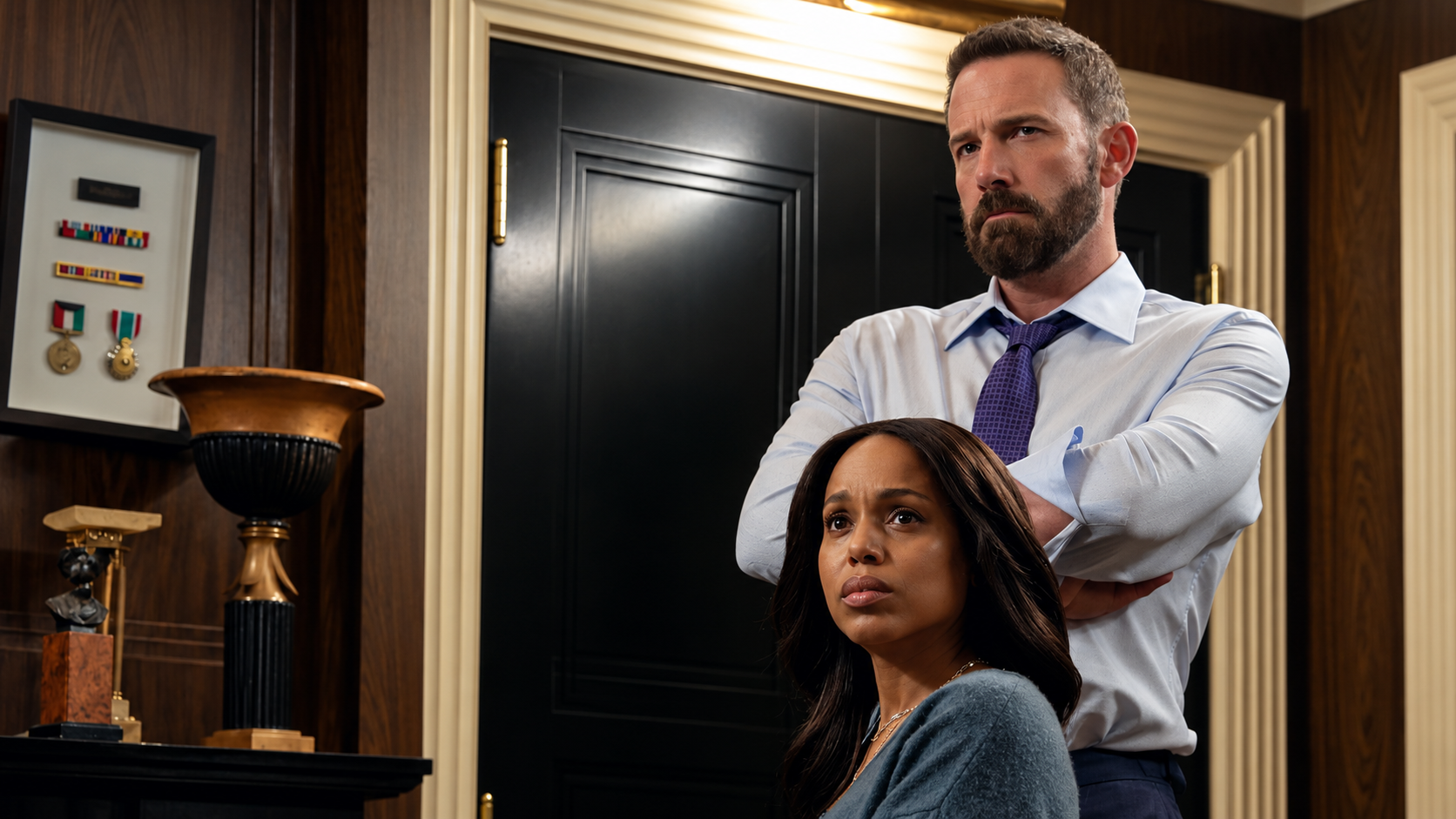
Ben Affleck’s Animals AI disclosure has created a problem that no amount of movie magic can hide: he says the tools were used, but he will not say where.
That distinction matters. There is no evidence that Animals is an “AI-generated movie”, and Affleck has argued the opposite: that filmmaking remains a deeply human process. Yet when a director, star and technology founder confirms AI touched his new Netflix thriller while treating the details like a magician’s secret, viewers are left to imagine the broadest possible version of the story.
What Ben Affleck actually said about Animals and AI
At Bloomberg’s Screentime conference, Affleck confirmed that Animals used tools created by InterPositive, the filmmaking technology company he founded. As TheWrap reported, he declined to identify the scenes involved because revealing the technique would break the “illusion of reality”. He also described the film as human driven, with few large visual-effects sequences.
That is a narrower claim than some viral reactions suggest. It does not tell us that actors were replaced, performances were generated or writers were bypassed. It does tell us the AI use was substantial enough for Affleck to discuss publicly, while the exact application remains hidden.

Netflix bought the company, so the disclosure carries extra weight
This is not a filmmaker casually testing a consumer app. Netflix acquired InterPositive in March and brought Affleck in as a senior adviser. TechCrunch reported the cash price at US$587 million.
Netflix says the company’s models are designed around filmmaking techniques rather than performances, with uses including missing shots, background replacement and lighting correction. That is a far more specific and reassuring description than the vague phrase “used AI”. It also shows why audiences deserve the same clarity when the technology appears in a finished film.
The streamer already asks viewers to trust its choices across a growing entertainment empire, from its push into original podcasts to increasingly ambitious screen projects. Transparency about production tools should become part of that relationship, especially when Netflix now owns the toolmaker.
The backlash is about missing information
Reddit discussions in r/popculturechat and r/Letterboxd quickly filled with boycott calls, scepticism and arguments about whether ordinary post-production automation should be placed in the same category as generated actors or scripts. Those comments are audience context, not proof of what happened on set. They do reveal the cost of ambiguity.
Viewers have learned that “AI” can mean radically different things. It can describe a tool that cleans a frame under an artist’s supervision, or a system that generates imagery from a prompt. Refusing to define the term invites the public to assume the version it fears most.

Animals needs a production note, not another defence of AI
The obvious solution is modest. Netflix could publish a short production note naming the categories of work involved, the departments that controlled them and whether any performances, voices or writing were generated. It would not need to spoil a shot or expose proprietary code.
Affleck’s own pitch for InterPositive is that human judgement remains in charge. A clear disclosure would let audiences test that promise against the production itself. Secrecy does the reverse: it turns every polished background and seamless edit into a suspect.
Animals arrives on Netflix on 9 October, with Affleck directing and starring opposite Kerry Washington. The official trailer material sells a tense kidnapping drama about a political couple forced into desperate choices. That is already a compelling hook. It should not be overshadowed by a preventable guessing game about how the images were made.
POPTOPIC has examined similar questions around AI culture, including why an AI companion can feel too real and how creative workers secured a voice in Blizzard’s workplace AI decisions. The recurring lesson is simple: people are more willing to judge new technology fairly when they are told what it actually did.


The conversation
Be the first to join the conversation.