


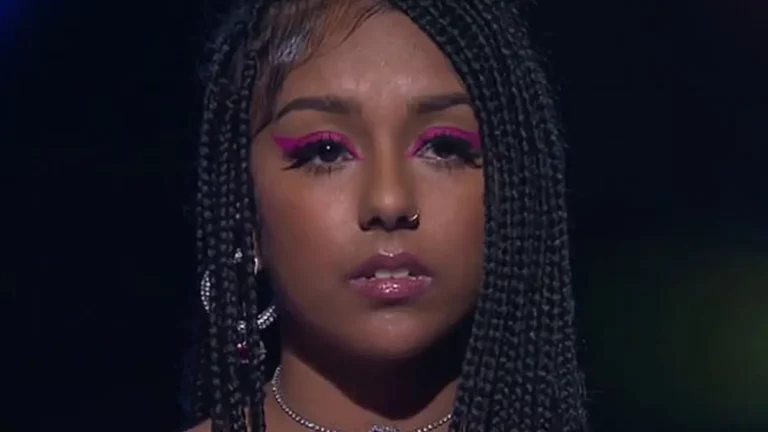
Leyla Sabo missed The Voice Australia grand final, and the internet promptly started arguing with Ronan Keating on her behalf. The 13-year-old singer has a calmer take. She told WHO she was disappointed by the semi-final result but proud of how far she got. That response is a useful reminder that the loudest part of a reality-TV elimination often happens after the contestant has already moved on.
Keating chose The 60Four, a South Australian vocal group, over Leyla for his one place in the final. Seven confirmed the four finalists are The 60Four, Daisha Auda, Yung Milla and Tommy Novak. Viewers will choose the winner on Sunday, 27 September.
Why Leyla Sabo’s exit hit a nerve
The choice was always going to sting. Leyla had won admirers with a voice well beyond her years, while The 60Four arrived with the polish and harmonies of an established act. Fans who wanted the finale to crown a young discovery saw Keating’s decision as the wrong kind of safe.
WHO documented comments from viewers saying they might skip the grand final altogether. Others defended Keating and argued that a young performer does not need the pressure of winning a prime-time competition at 13. Those are audience opinions, not evidence of a rigged result or a hidden motive behind his pick.

There is also a format problem baked into the uproar. At this stage, the coaches had to reduce eight acts to four before the public vote. That meant a favourite could leave without viewers ever getting a direct choice between the two singers on one team. POPTOPIC has already covered how this season’s second-chance twist stirred questions about control; the semi-final decision has revived the same frustration.
Leyla is already looking past the final
Speaking to WHO, Leyla said she has original songs she wants to record and live shows in the works. She was 12 when she reached the semi-finals and has since turned 13. Her answer does not erase the disappointment, but it puts a very different weight on it from the boycott talk online.
The scale of the reaction says as much about the audience as it does about the music. Coaches have to make a choice inside a tight television format, but viewers build a much longer relationship with their favourites across weeks of performances and social clips. By the semi-final, a single decision can feel like a season-long investment has been overturned. The show benefits from that intensity; the artist has to live with it after the cameras leave.
That distinction matters when a young performer is at the centre of a television pile-on. A coach’s decision can be debated. The teenager who did not get through should not have to carry every stranger’s theory about it. Leyla’s plans suggest this may be one high-profile step in a longer music career, not a final verdict on her talent. In her interview, she spoke about getting her own material into a studio. The most interesting next chapter may have nothing to do with a TV trophy.

Four finalists, and now the public gets its say
The finalists each bring a different proposition. Daisha Auda is Team Kate Miller-Heidke’s teenage powerhouse; Tommy Novak is Richard Marx’s choice; Yung Milla turned “Land Down Under” into a performance with didgeridoo, choir and his own rap; and The 60Four offer the coordinated group sound that won Keating over. Seven says voting is open, with a $100,000 prize and a recording and development package at stake.
The season has already produced another argument around Richard Marx’s on-screen criticism and editing. That is reality television doing what reality television does: turning a few minutes of decision-making into days of debate. On Sunday at 7pm AEST on Seven and 7plus, the choice finally moves from the red chairs to the audience. Leyla, meanwhile, sounds ready for whatever comes after them.
About the author



The conversation
Be the first to join the conversation.