


Cate Blanchett’s no-phones plea at London’s National Theatre was simple: please stop recording Electra/Persona. The Australian actor said filming spoils the production for the next audience and breaks the rare chance for performers and spectators to be present together. She was right. The argument online also exposed why people reach for their phones.
The BBC reported that Blanchett addressed the crowd after noticing someone recording during the transition between the production’s two parts. Audience members later clarified that this was not a conventional interval. The cast remained onstage, changing makeup and preparing the second half inside the theatrical frame.
A transition is still part of the performance
That detail has become the loophole people want to litigate. If actors are applying makeup, house lights are shifting and latecomers are being seated, does the normal rule briefly disappear? No. Benedict Andrews’ production fuses Sophocles’ Electra with Ingmar Bergman’s Persona, a work obsessed with performance, identity and watching. The visible transformation is not dead air. It is part of what the ticket buys.

A glowing screen also changes the room for everyone behind it. Theatre is built from attention travelling in both directions. The phone user may capture a face, but the people around them see the device, its light and the small act of choosing a future clip over the scene currently unfolding.
POPTOPIC recently defended Gillian Anderson’s request for familiar front-row fans to ease back. Blanchett’s intervention belongs to the same uncomfortable category: performers having to manage behaviour that venues should address before an actor breaks character to do it.
The audience’s counterargument is really about access
The liveliest response did not defend waving a phone through the show. In a large Reddit discussion, many commenters agreed with Blanchett while asking why major productions are not routinely filmed and made available after their runs. Several described professional recordings as gateways that encouraged them to buy live tickets later.
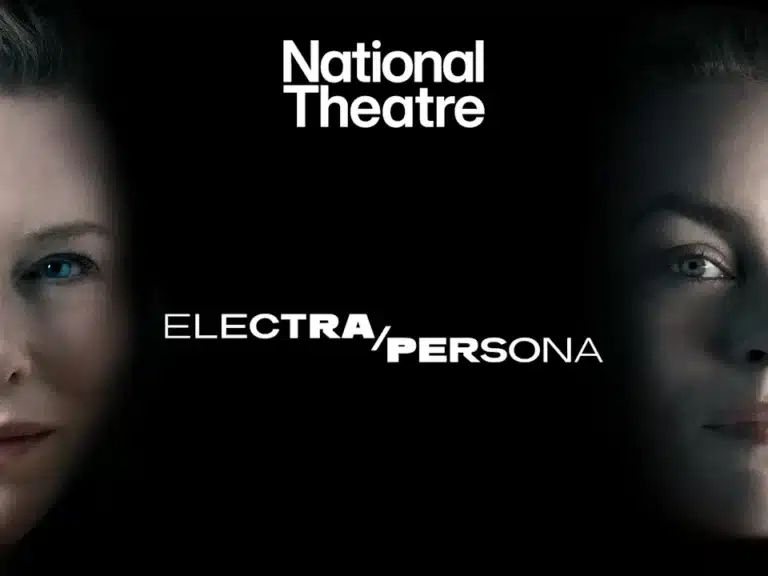
That frustration deserves an answer. Electra/Persona is sold out through its final performances on 10 October, according to the National Theatre’s current listings. Blanchett, Nina Hoss and Ella Lily Hyland are appearing in one building for a limited window. Most admirers cannot travel to London, secure a ticket and pay the full cost around it.
Scarcity gives live theatre its electricity, but it also produces a strange hierarchy of memory. The people who can enter the room own the experience; everybody else receives reviews, rehearsal stills and whatever fragments survive online. A professionally filmed release does not erase the live event. It records one version of it, with the creative team deciding where cameras sit, how sound is mixed and when the capture becomes public. That is a healthier archive than hundreds of spectators making partial recordings from their laps.
Phone bans work better when theatre preserves itself
The answer is not to let every spectator create a shaky private archive. Unauthorised recording can expose design choices, distract performers and flatten carefully composed stage pictures into misleading fragments. A professional capture, released after the live run, preserves the director’s framing and pays the artists whose work gives the footage value.
The theatre world already knows how to do this. National Theatre Live and other cinema programmes have shown that a screen version can expand the audience without pretending it replaces the room. POPTOPIC’s coverage of Dolly Parton’s 30,000 free Broadway seats made the same point from another direction: access becomes meaningful when producers build it into the production.
Preservation can take many forms. Tilda Swinton’s object-led memoir promises a deliberately shaped record rather than a pile of unauthorised fragments. Stage work deserves the same care: a version artists can stand behind, released on terms that respect contracts, craft and the audience beyond London.
There is an irony in a show called Electra/Persona becoming a fight over who controls the image. Blanchett asked the audience to protect the live encounter. Producers should protect its future too. Put the phones away tonight, then give people outside the room a legitimate way to see what they missed.
About the author




The conversation
Be the first to join the conversation.