


Super Mario 64 has found a new home on the Zune HD, Microsoft’s 2009 media player. The fan project runs native game code on the device and reports sound, touch controls and saves. Its most interesting achievement is the patient work needed to make old hardware useful again.
A creator post in the Zune community points to rsheldiii’s sm64-zune project. The headline is wonderfully unlikely. The documentation underneath it is refreshingly specific about what works, what has been tested and where the work is happening.
A native Super Mario 64 port for Zune HD
The sm64-zune repository builds on sm64ex. It compiles game code for the Zune’s ARM hardware and starts it through OpenZDK. This is a native port, rather than Nintendo 64 emulation or a video streamed from a modern computer.
That distinction changes the engineering job. A port can target the machine it actually has, adjusting how it draws, handles input and uses the processor. It still has to fit within the device’s constraints. Moving the code does not magically give an old music player a modern graphics chip.
Microsoft’s original September 2009 launch announcement confirms the Zune HD’s OLED multitouch screen and NVIDIA Tegra processor. Microsoft also promoted casual games and forthcoming 3D titles. There was a gaming ambition inside that slim casing from the beginning.
Seventeen years later, a fan project is finding another use for it. That is a more satisfying hardware story than treating every surviving device as a decorative relic. A machine can outlast the service and marketing plan built around it.

The clever part is reducing the work
The developer’s porting notes describe a graphics driver that cannot compile GLSL shaders. The build therefore prepares the shaders ahead of time with NVIDIA’s Tegra tools, and the game loads the finished versions.
Other changes reduce repeated calculations and drawing overhead. The notes describe combining the sky’s tiles into one texture so it can be drawn in one call instead of nine, alongside changes to vertex processing and audio work. These are targeted savings rather than a claim that the device has become faster.
It is a useful reminder when modern PC conversations reach straight for more powerful hardware. Our coverage of SCSKiller’s approach to shader compilation looked at a different problem on very different machines. Both stories show why the timing and organisation of work deserve attention alongside raw specifications.
Touch controls and reported performance
The project describes play as “mostly” full speed, with sound and saves. That remains the creator’s report. POPTOPIC has not tested it on a Zune, and the documentation does not establish a universal locked frame rate across every scene.
The porting notes describe 30 game ticks per second and a system that can skip drawing when needed. That should keep any neat headline about performance grounded: game logic, rendered frames and a smooth experience are related measures, with different meanings.
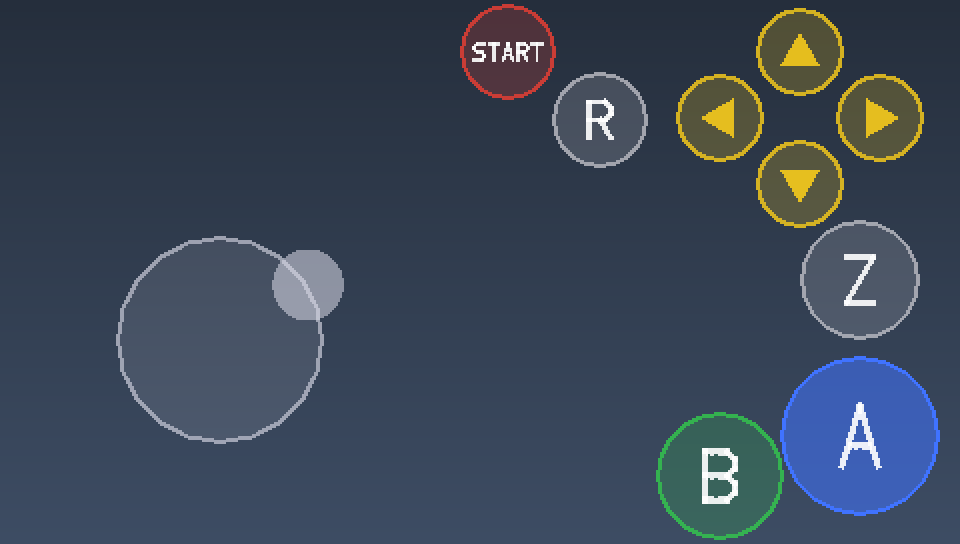
The virtual stick and buttons also make the central compromise visible. A touchscreen gives the project a usable input surface, but it cannot provide the physical feedback of a dedicated controller. Whether the novelty outweighs that trade-off will be a personal judgement for owners who try it.
This is a project for tinkerers
The documented setup needs a Zune HD, an x86-64 Linux computer, Docker, Git and a US game ROM dumped from the user’s own cartridge. Only firmware 4.5 has been tested. The repository supplies neither the ROM nor a ready-built copy of the game.
Those requirements matter more than a dramatic device age. The available instructions describe a build-and-deploy project, so a spare Zune is only the beginning. There is no basis here to promise every old unit or computer setup will work.
The project credits the decompilation, sm64ex, renderer and OpenZDK contributors behind it, and states that Nintendo and Microsoft do not endorse it. As the recent Banjo-Tooie port debate showed, the work and credit behind fan projects deserve as much attention as the novelty.
Modern dedicated retro handhelds have their own practical appeal. This port earns its attention by showing how much understanding one particular machine can achieve. The Zune’s second life is being built one carefully chosen shortcut at a time.
About the author






The conversation
Be the first to join the conversation.