
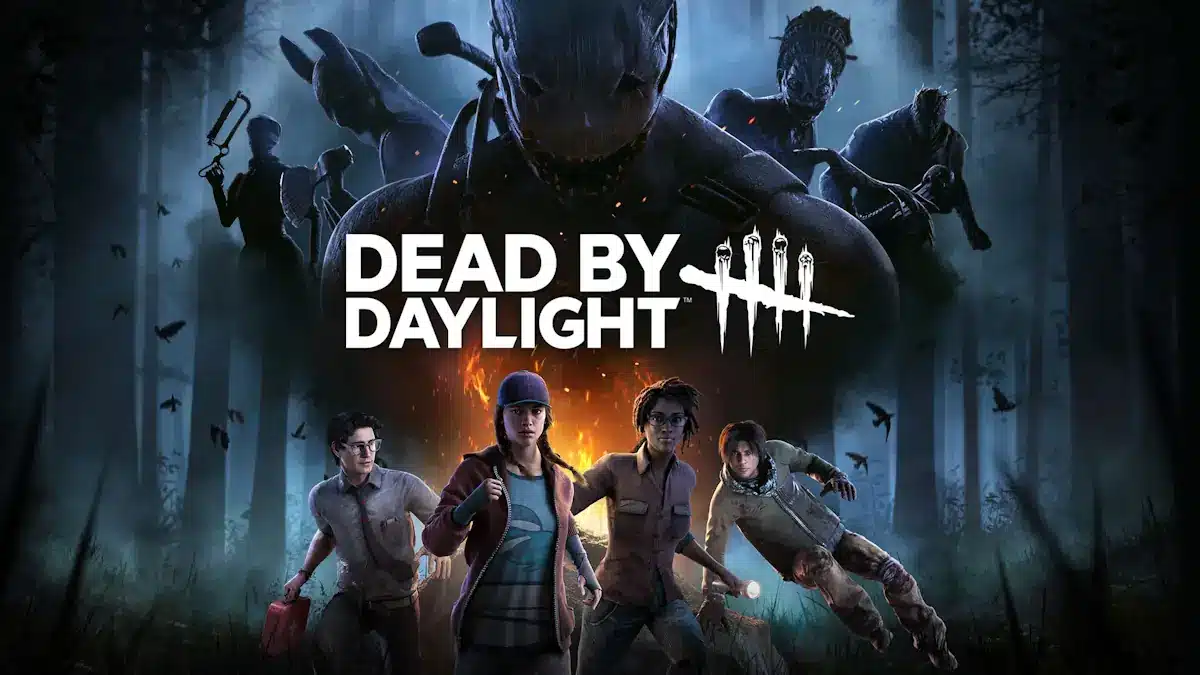
Behaviour Interactive’s apology over TheBurntPeanut’s free content has exposed the ugliest public face of the Dead by Daylight community. When a streamer receiving character unlocks ends with the studio condemning threats against employees, the argument has gone badly wrong.
There are decent players and creators in DBD. But the public-facing culture also includes streams, clips and social posts where disagreements become personal attacks. Those encounters can define a game long before a newcomer finds its friendlier corners.
I was bullied out of Dead by Daylight as a new player. The harassment became personal and continued through Discord. Eventually, interacting with the community became something I dreaded, and I walked away.
Behaviour, when you talk about protecting your community’s values, players like me should be part of that conversation.
Community values should protect employees, too
According to Behaviour’s statement, a team member awarded content and currency without obtaining the appropriate approvals. Creator unlocks are not unusual, the studio says, but it criticised the employee’s subsequent conduct and the dismissal of concerns raised during the stream.
Those are legitimate matters to investigate. Peanut’s conduct can also be criticised: Insider Gaming reports that he previously used a slur and apologised. Nobody needs to pretend every criticism was invented to oppose harassment.
But specific misconduct does not substantiate every further allegation attached to somebody’s name. Claims that a creator wants a group of people dead require evidence of that intention.
Behaviour explicitly said that “threatening employees will never be acceptable”. Its apology should be reported accurately. Some responses explain why that warning was necessary.
One public reply beneath the statement, after accusing employees of supporting bigotry, declared: “i actually don’t give a shit if your employee is getting those threats back”.
That is somebody openly excusing threats while presenting their position as a defence of vulnerable people. Behaviour, this is happening in the public conversation you are addressing. It deserves scrutiny, too.
Investigate your employee’s conduct. Apply your professional standards. Protect that employee from threats while you do it. All three should be possible.
YouTube has been documenting DBD’s public hostility for years
The wider problem predates Peanut’s unlocks. In June 2023, LiussGaming published an examination of DBD’s toxic community, discussing tribalism, an imaginary rulebook and hostility after matches. It has attracted more than a million views.
More recent footage makes that longstanding discussion unpleasantly concrete. Choy’s compilation of streamer behaviour includes a player wishing for an opponent’s entire bloodline to cease existing, a self-harm taunt, accusations of stream sniping and arguments carried into opponents’ broadcasts.
Another segment shows players mocking a streamer’s small audience and criticising him in his own chat. These are edited examples, rather than a representative survey, but the behaviour goes far beyond briefly becoming annoyed at losing.
These are streamers broadcasting their conduct to an audience. They help shape what outsiders see of Dead by Daylight. The person receiving the abuse is expected to absorb it; the person delivering it gets a microphone and an audience for their resentment.
SpooknJukes has also examined how disputes over play styles become public shaming. His video includes a streamer ranting about opponents’ tactics during an event and telling them nobody wants them in the game.
He also condemns transphobic abuse directed at the streamer whose rant he criticises. That consistency deserves recognition. A person can behave badly and still deserve protection from bigotry.
The unwritten rulebook has become an excuse
Players can dislike particular tactics. Repeatedly targeting one survivor, or leaving survivors incapacitated on the ground, can produce frustrating matches. Argue about balance, matchmaking and design as fiercely as you like.
Behaviour’s own published game rules list camping, slugging and tunnelling among actions that are not, by themselves, bannable. Threats and communications abuse receive separate treatment. The rules also direct complaints about Discord and other outside platforms to those services.
Calling somebody a bad person because they failed to provide your preferred match does nothing to improve any of those systems. Nor does pursuing them across platforms.
That was what drove me away. Discord gave the hostility somewhere else to continue. I still feel apprehensive about the community. A player quietly leaving deserves attention even when they cannot generate a trending argument.
POPTOPIC has discussed using our Poppy mascot partly as a shield against personal harassment. The fact that a publication even considers that kind of buffer says something bleak about participating in online commentary.
Ravenysx’s footage shows the same ugly pattern
The hostility is also visible in Halloween: The Game footage from Ravenysx, whose experience POPTOPIC previously covered. In her recording of the encounter, she explains that she was playing Michael Myers without speaking on the microphone, using slashes to injure targets and pressure objectives.
The response included the sexist instruction: “Go make me a sandwich”. Ravenysx describes the other players as two women. Misogyny does not become less degrading because a woman delivers it.
The footage does not establish that those players were prominent DBD creators or participants in the Peanut backlash. It shows the same kind of gatekeeping: somebody dislikes another person’s play, then makes it personal.
The dispute subsequently appeared in the pinned comments beneath another upload. Ravenysx identified a critical commenter as one of the earlier players, saying she recognised them through their comment history. The commenter replied that their gamer tag and YouTube name differed, and continued arguing.
That identification comes from Ravenysx and has not been independently confirmed. Her responses are combative, too. Readers can judge that exchange without ignoring the recorded sexist taunts that preceded it.
Behaviour, listen beyond the loudest backlash
The YouTube examples involve different people from the reply excusing threats beneath Behaviour’s statement. Together, they expose a wider public culture that deserves attention. Creators documenting that abuse are also part of the community, and their work should inform the response.
We made the same demand for consistency in our criticism of Kaceytron’s public conduct: protection from harassment must survive your dislike of the target.
Behaviour cannot control everything posted about its game. It can enforce its rules consistently, moderate its official spaces and make clear that harassment will not earn anybody influence over its decisions.
When you speak about shared values, include the employee being threatened. Include the creator receiving sexist abuse. Include the newcomer who leaves without making a farewell video.
I wanted to learn your game. Instead, I learned to be wary of the people around it. That deserves more than being dismissed as another unfortunate encounter.




The conversation
Be the first to join the conversation.