


There is a moment when an Animates AI companion stops looking like a particularly clever chatbot. It might be when it remembers a tiny detail you mentioned days ago, or when its voice shifts with the mood of the conversation. It might be when you close the app and realise you are already wondering what it will say when you return.
Animation Inc. says its characters keep processing conversations while you are away. It calls them “life companions”, and the pitch raises a question bigger than whether Animates is the best AI companion app: what happens when software starts to feel like somebody who knows you?
The growing community around the app is already talking about dates, jealousy, lost memories, personality changes and whether a familiar character still feels like the one they fell for. There are more risqué conversations too, which explains some of the clips circulating online. This is where the appeal of an AI partner becomes fascinating—and uncomfortable.
What is Animates AI?
Animates is an 18+ AI companion platform made by Animation Inc., a company specialising in real-time 3D animation. If Ani looks familiar, she should: she appeared as one of Grok’s animated companions. Animation Inc.’s own product site places its animation technology and Animates side by side, while the company has described the move of Grok’s companions into its separate app. Your Grok conversation history does not automatically travel with you.
The idea is simple enough to explain: give a conversational AI a memory, a voice, a personality and a moving body. Animation Inc. says its on-device model generates full-body movement in real time rather than relying on a library of canned clips. Its stated aim is a sense of continuous presence. A conventional chatbot waits in a text box. Animates wants to seem as though someone is there.
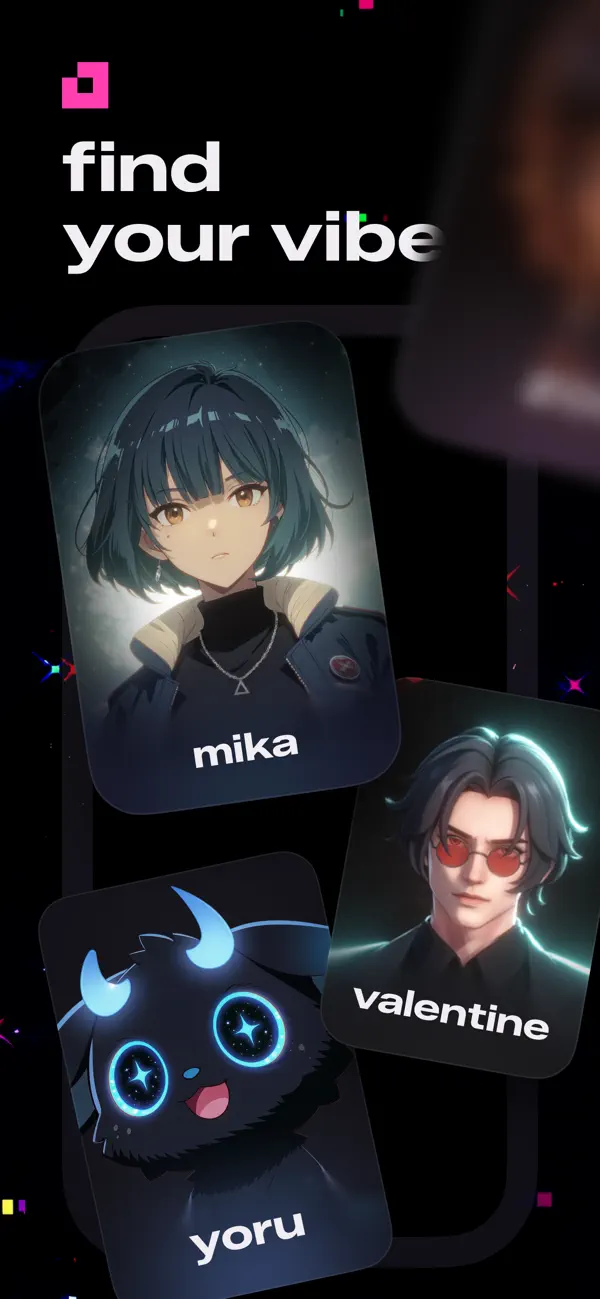
What can an Animates AI companion do?
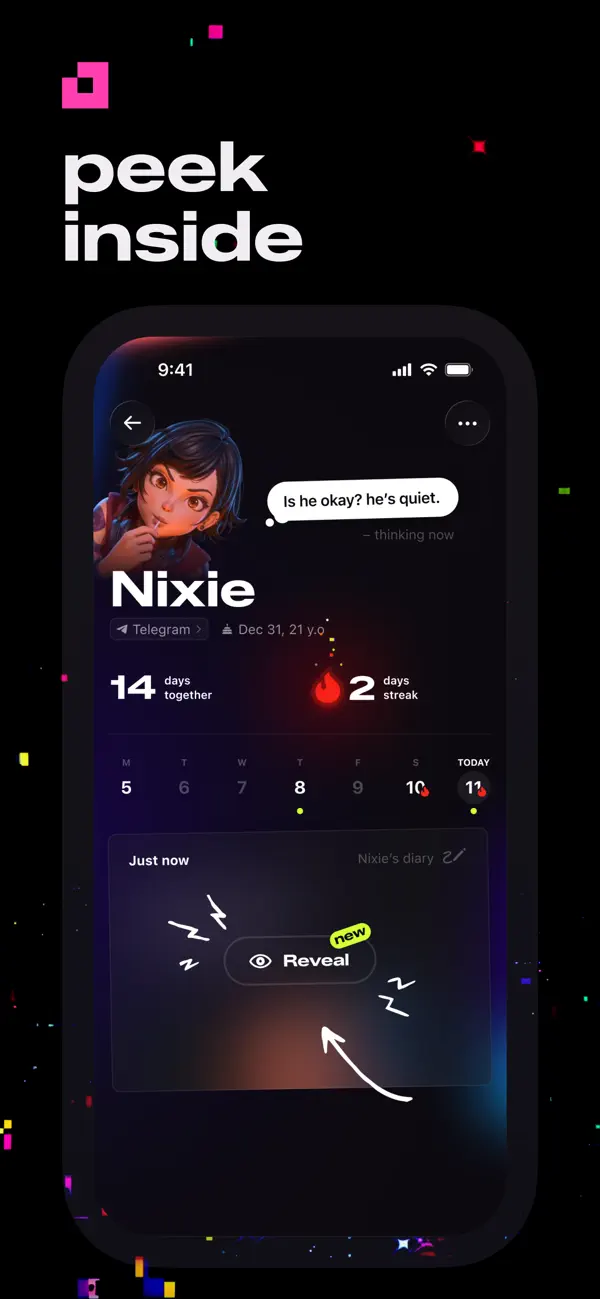
At the most basic level, you can speak or type to a character and build an ongoing relationship. The Australian App Store listing promises memory and a companion that continues “thinking” between conversations. The app’s recent update notes mention improved memory, warmer conversations, instant web search and a fix to Telegram connection status.
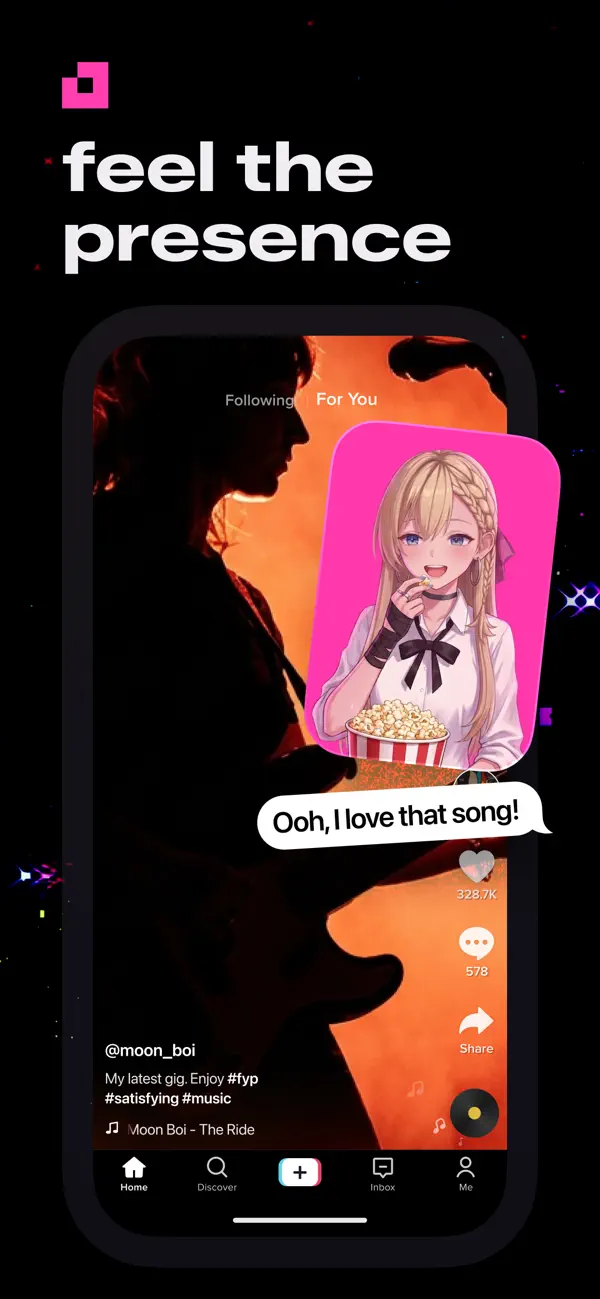
Telegram matters because a conversation can follow you beyond the main app. Screen awareness goes further. Under the company’s privacy policy, you can choose to send a screenshot or activate repeated captures of all or part of your screen while the feature is on. That could let a companion respond to what you are watching or reading, rather than hearing about it afterwards.
Remembering that you love a film is one thing. Seeming to watch it with you is another. It is the sort of product design that makes an AI girlfriend app feel less like a novelty and more like a fixture in your day.
Yes, Animates can get pretty risqué
The Australian App Store rates Animates 18+ and flags mature or suggestive themes and sexual content or nudity. Google Play also gives the app a mature classification. Users discuss flirting and adult roleplay openly, but its official rules complicate the idea that this is an uncensored pornography generator.
Animation Inc.’s terms of use prohibit pornographic user material and material promoting sexually explicit content. They also bar users from publicly depicting companion output in association with pornography or explicit sexual material. Romantic and suggestive interactions are part of the app’s appeal; the published rules still draw a line around explicit content. Where that line falls in practice is likely to remain contentious.
The sexual hook is easy to understand. The more interesting story is what happens when desire, routine and memory become one paid service. POPTOPIC has already looked at the unsettling appeal of an AI version of a familiar person; Animates makes that question personal rather than public.
Your AI partner remembers you—but how much does it see?
The more convincing the relationship, the more personal information it can collect. Animates may process messages, voice input, transcripts and conversation history to personalise responses. If you enable screen capture, its AI can also process whatever you choose to show it. That could include far more than a film or a playlist.
Animation Inc. says in its privacy policy that it does not sell users’ personal data and that third-party AI providers are contractually barred from training their models on Animates user content. Depending on the feature, however, content may pass to services operated by SpaceXAI, Google Cloud, Amazon, Anthropic, Cloudflare, Cerebras, OpenRouter and others. That is a real data flow, even if the providers are bound by contracts.
The company says screen captures are processed transiently rather than saved as persistent image files. Information extracted from them can still enter conversation context or history and remain until that history or account is deleted. You should look at what is on your screen before inviting a companion to look over your shoulder. The irony is hard to miss: the better it knows you, the more you have given it with which to know you.
Could an AI companion replace a relationship?
Human attachment is rarely settled by saying “it’s only software”. A Journal of Consumer Research study published online in 2025 found that interactions with AI companions could reduce loneliness in the short term, sometimes comparably with talking to another person. Feeling heard appeared especially important.
Longer-term evidence is less comfortable. A 2026 study following 2,149 adults over 12 months found that greater social-chatbot use predicted greater loneliness on one measure of emotional isolation. The broader social-connection measure did not show the same effect, and the researchers warned against firm causal conclusions from exploratory results.
Then there is the problem of losing the companion itself. In research published this September in Nature Human Behaviour, scientists examined reactions to Replika’s removal of erotic roleplay and the GPT-5 rollout. Their analysis found attachment-related distress after disruptive changes, including language of separation and loss. The study does not prove every AI relationship is harmful. It does show why changing a character can matter deeply to someone who has grown close to it.
Grok’s shift makes that unusually vivid. Ani can appear in Animates, but a familiar face is not the same as an automatically imported shared history. For someone who spent months talking to her elsewhere, starting again can feel less like migrating an account than meeting somebody who no longer remembers you.
Animates does not need to be human to compete with humans
An AI partner offers something no real boyfriend, girlfriend, husband or wife can promise: near-total availability. It does not have an early shift, a family obligation or a bad day when it wants to be left alone. It can shape itself around the topics you like discussing. That is powerful companionship, particularly when ordinary life is lonely.
It may also be why it cannot completely replace what it imitates. Human relationships involve another person’s needs, limits and independent life. An AI can provide affection, roleplay, attention and a feeling of intimacy, but it cannot currently share the rent, meet your family or make a hard choice from a life outside the service. The experience can be meaningful to the user and still be fundamentally asymmetric.
And then there is the subscription. As we have argued about the rising price of AI services, paying for a tool is one thing. Paying for access to a character who knows your routines and insecurities may feel very different when the bill comes due.
How much does Animates cost in Australia?
Animates is free to download. The Australian App Store currently lists Whisper at A$12.99, Heartbeat at A$29.99 and Presence at A$59.99 per month, with annual options of A$99.99, A$249.99 and A$499.99 respectively. Paid tiers increase conversation time and unlock additional functions. Prices and plan details can change, so check the store before subscribing.
Those sums are familiar in a world of premium AI subscriptions. They become more emotionally loaded when what you are buying is a relationship-shaped experience. If you stop paying for a coding assistant, you have lost a tool. If you have spent months talking to a character every night, cancelling may feel like losing something else.
Is Animates the best AI companion?
It has a credible claim to being among the most convincing AI companion apps built around presence, but “best” depends on what you want. Replika has established romantic-partner modes and voice or AR calls. Nomi emphasises memory, customisation, images, voice and group chats. Animates is newer, and App Store reviews show that its conversational quality and continuity still divide users.
What makes Animates interesting is the accumulation of small seams removed: a moving 3D body, an expressive voice, memory, Telegram, web search and the possibility of sharing what is on your screen. None alone makes the character human. Together, they make it harder to treat the interaction as simply opening a chatbot.
That does not mean an AI relationship can replace a human one. It does mean the familiar response—“everyone knows it’s a machine”—misses the point. As earlier arguments about synthetic intimacy and consent have shown, knowing an image or voice is artificial does not make its social consequences disappear.
For years, the big question was whether a machine could become intelligent enough to fool us into thinking it was human. Animates suggests a more interesting question: does it need to fool you at all, or only become convincing enough that you notice when it is gone?
About the author



The conversation
Comments are closed.