

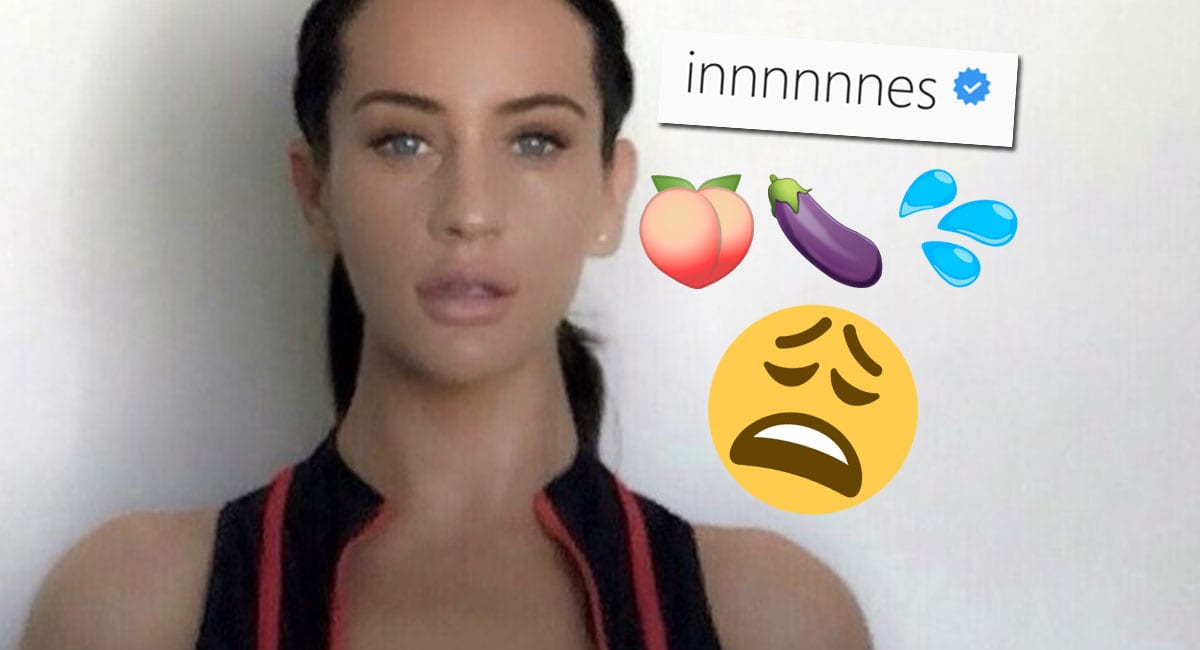
We all watched in horror as Ines Basic called Bronson human trash because he stripped for money on the 6th season of MAFS Australia. Now she is doing the same.
Ines Basic was the second most disliked participant in Married at First Sight (MAFS) last year, only falling slightly behind Jessika Power. Though some people may have admired her bluntness, most hated her for the way she treated her TV hubby, Bronson.
More TV Drama
She constantly belittled and insulted Bronson for his appearance and past as a male stripper. She called him out for his eyebrow ring on the in front of his family at TV wedding. And then publicly mocked him for his past at the reception. What a lovely lady!
Bronson was very patient and tolerant of her throughout the season and remained completely oblivious to Ines’s affair with Sam Ball.
Ines told the cameras that she just couldn’t get passed Bronson’s stripper past and went on to describe him has human trash – but, oh, how the tables have turned.
After rising to d-list celebrity status and getting the Instagram checkmark, Ines started posting rather revealing photos of herself on Instagram for views, likes… and bucks, of course.
Do the MAFS
It can often times be difficult for d-list celebrities to find respectable jobs after absolutely humiliating themselves on national television. So they find an agent who tries to find brands that are willing to sponsor them. Once they’ve found a sponsor they earn money through CPM.

CPM is a paid advertising strategy where an advertiser pays you per thousand views of your content. The average CPM rate is about $10.00 per thousand, but this can go up into the thousands depending on the product and who is promoting it. This revenue is then split between the agent and promoter.
…in layman’s terms
Ines Basic is the stripper. Her agent, Markson Sparks, is her pimp. And Booby Tape, 4040 Creative, Bianca and Bridget, and Thrilco are her clients.
Don’t believe me? You don’t have to look any further than her Instagram page for proof. She even provides her pimps – errr – I mean her agents email address in her bio. Then there is the clear product placement and tagging in her Insta posts.
I absolutely don’t think there is anything wrong with posting raunchy pictures of yourself online. I’m all about body positivity. I also think it is perfectly fine to make money flaunting what you’ve got… shake your money maker and stuff! Most of the former MAFs participants are doing this kind of stuff too. But, what I do have a problem with is Ines’s hypocrisy. She is pretty much doing what Bronson did, taking her clothes off for money, just on social media.
I guess, according to Ines Basic’s own words, she is now human-trash scraping from the bottom of the barrel.
Cringe-worthy
While we wait for more Married at First Sight news we can binge watch the last season on 9Now entirely for free.
One last question: Who was your favourite Season 6 Married at First Sight participant ? Comment below!